

Lewis Hamilton to Ferrari: A Game-Changer for F1 and Motorsport Branding
Lewis Hamilton’s move to Ferrari for the 2025 Formula 1 season is arguably the most significant driver transfer in modern motorsport history. As a seven-time world champion and one of the most marketable athletes globally, Hamilton’s decision to leave Mercedes and join the Scuderia Ferrari marks a pivotal moment in F1. But beyond the sporting implications, this move has profound branding, marketing, and commercial ramifications for both Hamilton and Ferrari.
In this article, we explore the impact Hamilton will have on Ferrari, the significance of a global sports star joining the most iconic team in F1 history, and what this means for both brands in the short and long term.
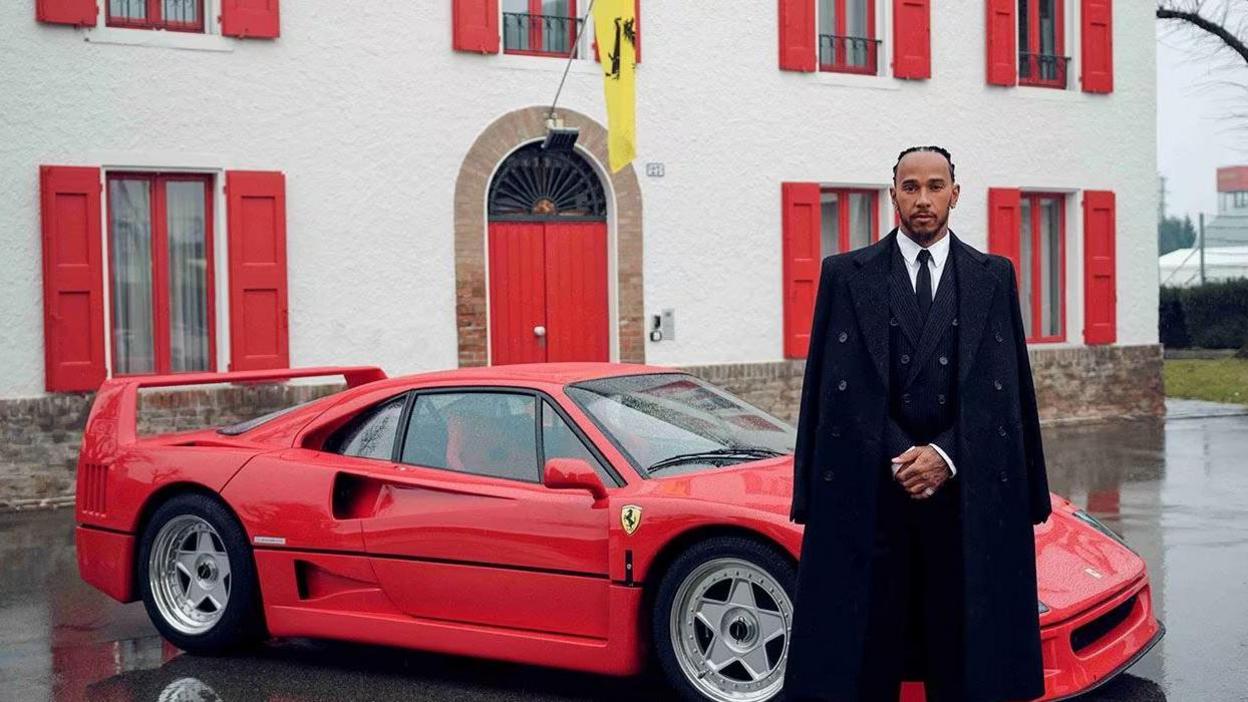
The Impact of Lewis Hamilton at Ferrari
A Sporting Revolution for the Scuderia
Ferrari has not won a drivers’ championship since 2007 with Kimi Räikkönen, and the addition of Hamilton to their ranks signals a clear intent to return to the pinnacle of F1. His wealth of experience, technical expertise, and relentless pursuit of perfection could provide the missing ingredient in Ferrari’s quest for supremacy.
Hamilton’s ability to build and refine a team’s performance was evident during his tenure at Mercedes, where he played a crucial role in shaping their dominance from 2014 onwards. His move to Ferrari could bring a much-needed shift in team culture, inspiring innovation and improving race execution under pressure.
The Ultimate Ferrari Driver?
Ferrari has always had a penchant for legendary drivers—from Michael Schumacher to Niki Lauda. Now, with Hamilton joining their ranks, the team has arguably the most decorated driver in F1 history in their stable. His presence elevates Ferrari’s prestige even further, attracting new fans and commercial opportunities.
The Branding Power of Hamilton x Ferrari
Ferrari: A Global Icon Gets a Modern Face
Ferrari’s brand is built on heritage, exclusivity, and passion. Hamilton, on the other hand, represents modernity, diversity, and global influence. The combination of these two entities creates a unique fusion of tradition and contemporary appeal, extending Ferrari’s reach beyond its traditional motorsport fanbase.
Hamilton’s extensive social media presence and influence in areas such as sustainability, fashion, and diversity in motorsport could modernise Ferrari’s image, making the brand more appealing to younger demographics and non-traditional F1 audiences.
Hamilton’s Personal Brand Evolution
Hamilton has long been synonymous with Mercedes, having driven for the Silver Arrows since 2013. His move to Ferrari signifies a new chapter in his career and personal brand. The red of Ferrari will bring fresh commercial opportunities, sponsorship deals, and collaborations with luxury brands aligned with Ferrari’s high-end market position.
Moreover, his move aligns perfectly with Ferrari’s plans to expand its lifestyle and luxury segments, including the Ferrari fashion brand and high-performance road cars. Hamilton’s association with high fashion, music, and technology complements Ferrari’s vision for the future.
Short-Term and Long-Term Brand Impact
Immediate Commercial Gains
Hamilton has signed a multi-year contract with Ferrari, reportedly valued at approximately $446 million. This lucrative deal underscores Ferrari’s commitment to securing top talent and highlights Hamilton’s market value as a premier athlete.
In the short term, Hamilton’s arrival at Ferrari will trigger a surge in merchandise sales, sponsorship deals, and global media coverage. Ferrari’s Formula 1 operations, which account for 10% of the brand’s business, saw revenues reach $190 million in the third quarter of 2024, marking a 20% increase from the previous year. This growth is partly attributed to new partnerships, such as the title sponsorship with HP. The demand for Ferrari’s brand, both on and off the track, will skyrocket as fans rush to support Hamilton in his new colours.
From a marketing perspective, Ferrari and its partners will capitalise on Hamilton’s vast audience, particularly in key markets like the United States and Asia, where F1 viewership is expanding.
Long-Term Strategic Benefits
Looking further ahead, Hamilton’s legacy at Ferrari could shape the team’s performance and marketability for years to come. If he succeeds in securing a world championship, it will cement Ferrari’s reputation as the ultimate destination for elite drivers. Even beyond his driving career, Hamilton’s affiliation with Ferrari could continue in an ambassadorial or advisory role, ensuring longevity in the partnership.
Additionally, this move could also influence Ferrari’s approach to sustainability and diversity. Hamilton has been a vocal advocate for greener technologies and increased representation in motorsport, and Ferrari could leverage his influence to align with modern expectations in these areas.
Ferrari continues to demonstrate robust financial health. In the third quarter of 2024, the company reported net revenues of €1.644 billion, a 6.5% increase compared to the same period in the previous year. Despite a slight 2.2% decrease in worldwide deliveries, totaling 3,383 units sold, Ferrari maintains a solid outlook, confirming its targets for the year. The introduction of the Purosangue SUV has significantly contributed to Ferrari’s sales performance, becoming the third best-selling Ferrari model with nearly 1,500 units sold between January and August 2024.
To Summarise
Lewis Hamilton’s move to Ferrari for the 2025 season is more than just a driver transfer—it is a seismic shift in F1 history with profound sporting and commercial implications. Ferrari gains a driver with unparalleled talent and global influence, while Hamilton embraces a fresh challenge that could redefine his career and personal brand.
The partnership between Hamilton and Ferrari is not just about winning races; it is about merging two of the most powerful brands in sport to create a new era of engagement, innovation, and legacy. Whether this move leads to a championship or not, it is already one of the most strategically significant decisions in modern F1.
For brands, sponsors, and marketers, this move is a case study in how elite sports partnerships can shape industries, influence audiences, and redefine global icons. One thing is certain—2025 will be a season to remember.
