

The Six Nations Rugby Championship, one of the most iconic tournaments in international rugby, has recently undergone a significant rebrand.
This move has sparked debates among fans, marketers, and industry professionals about the impact of such a change on the competition’s identity and future.
Rebranding a major sporting event is always a delicate balancing act—modernising the image while respecting tradition. In this article, we explore the motivations behind the Six Nations’ new brand identity, its impact on fans and stakeholders, and what this means for the future of sports branding.
The Evolution of the Six Nations Brand
From Tradition to Modernity
The Six Nations Championship has a deep-rooted heritage dating back to the Home Nations Championship in 1883. Over the years, the tournament expanded, first to the Five Nations and later to the Six Nations in 2000 with the addition of Italy. Throughout its history, the championship has been synonymous with rugby’s rich traditions, fierce rivalries, and iconic moments.
Despite its long-standing identity, the tournament has gradually embraced commercialisation, welcoming title sponsors such as RBS and Guinness. These partnerships introduced branding elements that aligned with corporate sponsorships while still maintaining the competition’s historical essence.
The Recent Rebrand: What’s Changed?
The New Logo and Visual Identity
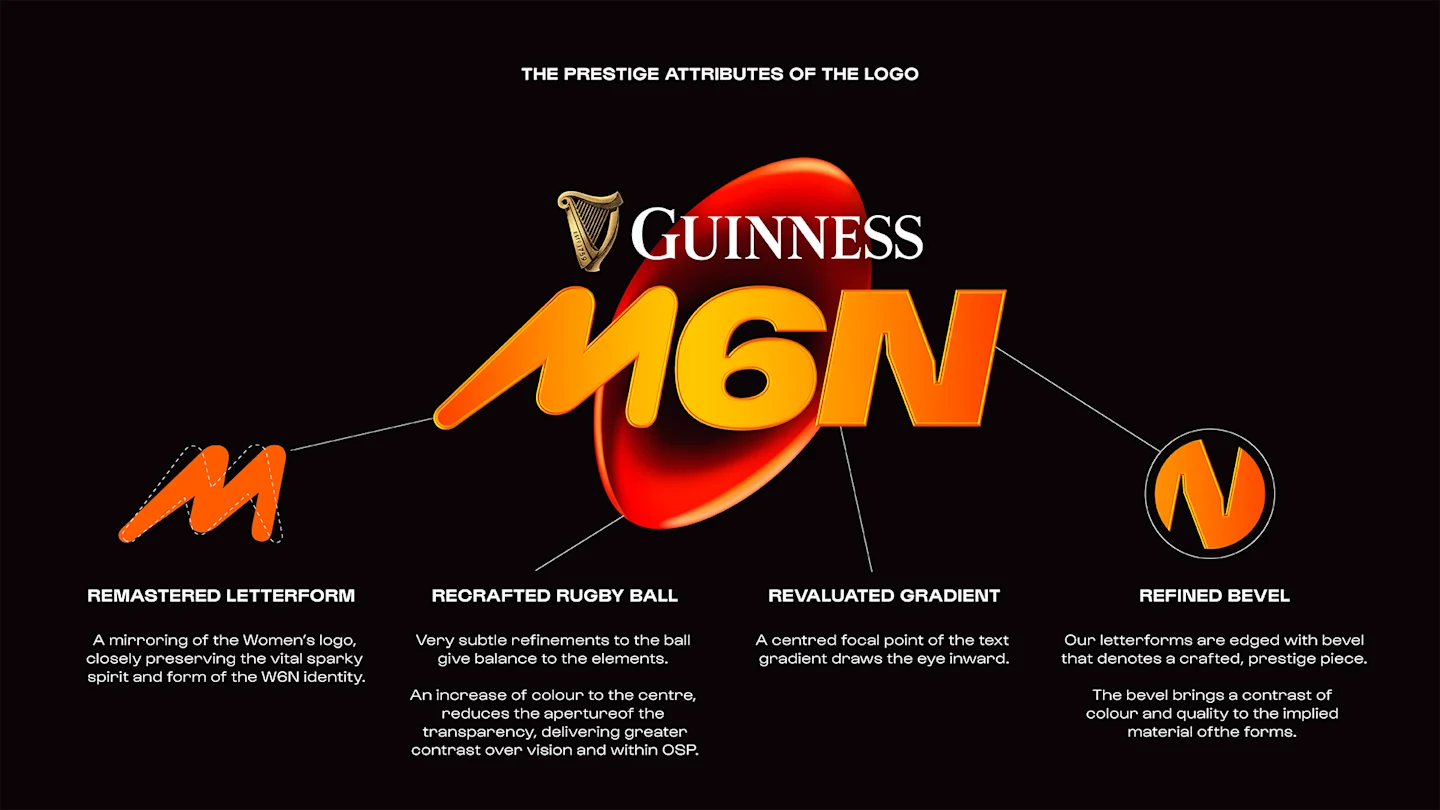
The Six Nations rebrand has introduced a sleek, modern logo, replacing the previous emblem that featured a rugby ball with six coloured stripes representing each nation. The new identity takes a minimalist approach, using refined typography, a simplified emblem, and a bolder colour scheme.
This transformation aims to align the tournament with contemporary sports branding trends, making it more adaptable across digital platforms, merchandise, and sponsorship opportunities. The use of a more abstract design allows for greater flexibility in broadcast graphics, social media, and promotional materials.
Strategic Motivations Behind the Rebrand
Several factors contributed to this decision:
Digital Adaptability – The modernised logo and typography are optimised for digital media, including streaming services and social platforms where engagement is crucial.
Global Expansion – Rugby has been growing in markets beyond the Six Nations territories. A refreshed brand helps to attract new audiences and potential investors.
Commercial Appeal – The simplified design creates more sponsorship-friendly branding, making it easier to integrate with partners and media channels.
Fan Engagement – The rebrand is part of a wider strategy to enhance fan experiences, particularly among younger audiences who engage with the sport online.
Unified Identity – The rebrand aligns the men’s competition (M6N) with the Women’s Six Nations (W6N) and Under-20s (U6N), strengthening recognition across all tiers of the competition.
Heritage Preservation – The tagline “Since 1883” was incorporated into the branding to ensure that the tournament’s historical significance remains central to its identity.
The Impact on Fans and Stakeholders
How Have Fans Reacted?
Unsurprisingly, the rebrand has divided opinion. Traditionalists argue that the previous branding had a distinct identity, while others welcome the fresh look.
Positive Reactions: Many appreciate the modern aesthetic, which aligns with contemporary sports branding trends.
Negative Reactions: Critics feel the new design lacks the character and historical nods of its predecessor.
Social Media Debate: Platforms like Twitter and Reddit have seen a mix of praise and frustration, with some branding experts calling it a “necessary evolution” while others see it as “a corporate dilution of heritage”.
Sponsorship and Commercial Growth
From a commercial perspective, the rebrand makes perfect sense. A stronger digital presence and adaptable brand identity can enhance partnerships with sponsors like Guinness and TikTok, increasing engagement and revenue. The sleek, sponsor-friendly branding allows greater integration across marketing campaigns.
For broadcasters, the updated visuals make for a more engaging television experience, aligning with global sports media trends. Additionally, the rebrand addresses previous challenges in adaptability, especially in the digital space, by incorporating a flat 2D logo that ensures consistency across platforms.
Comparisons to Other Major Sports Rebrands
Lessons from Football, Cricket, and Formula 1
Rebranding in sport is not uncommon, but it must be executed carefully to avoid alienating fans. Some recent notable examples include:
Formula 1 (2018) – A controversial logo redesign was initially met with backlash but ultimately became a success due to strong digital marketing.
The Premier League (2016) – Dropping title sponsors and simplifying its visual identity helped it become a global powerhouse.
The Hundred (Cricket, 2021) – A modern, disruptive branding approach helped attract a younger audience, despite mixed reactions from traditionalists.
The Six Nations rebrand aligns with these strategies, focusing on modernisation, digital adaptability, and global appeal.
What This Means for the Future of Rugby Branding
A Sign of Things to Come?
The Six Nations’ rebrand signals a shift in how rugby tournaments position themselves in an increasingly digital and commercial landscape. It also raises important questions:
Will other major rugby tournaments follow suit?
The Rugby World Cup and The Rugby Championship may look to modernise their branding in response.
How will this affect fan engagement in the long term?
Will younger audiences respond positively, or will the traditional fan base disengage?
What role does digital marketing play in modern rugby?
The growth of streaming and social media means branding needs to be versatile and engaging across multiple channels.
Key Takeaways for Sports Marketers
Brand evolution is necessary, but heritage must be respected.
Digital-first branding is the future of sports marketing.
Fan engagement should be a priority when executing rebrands.
Consistency across all platforms is crucial to long-term success.
The Six Nations rebrand is a bold step towards modernising one of rugby’s most historic tournaments. While it has faced mixed reactions, the strategic motivations behind the change are clear: digital growth, commercial expansion, and enhanced fan engagement.
As sports branding continues to evolve, maintaining a balance between tradition and modernity will be essential. Whether this move strengthens the tournament’s legacy or risks alienating its core audience remains to be seen—but one thing is certain: sports branding is entering a new era, and rugby is evolving with it.
